With cancer emerging as a major public health challenge in India, it is important to pause and reflect not only on treatment, but on something far more decisive—time. In the fight against cancer, time is the most critical factor. The earlier cancer is detected, the higher the chances of cure, recovery, and survival.
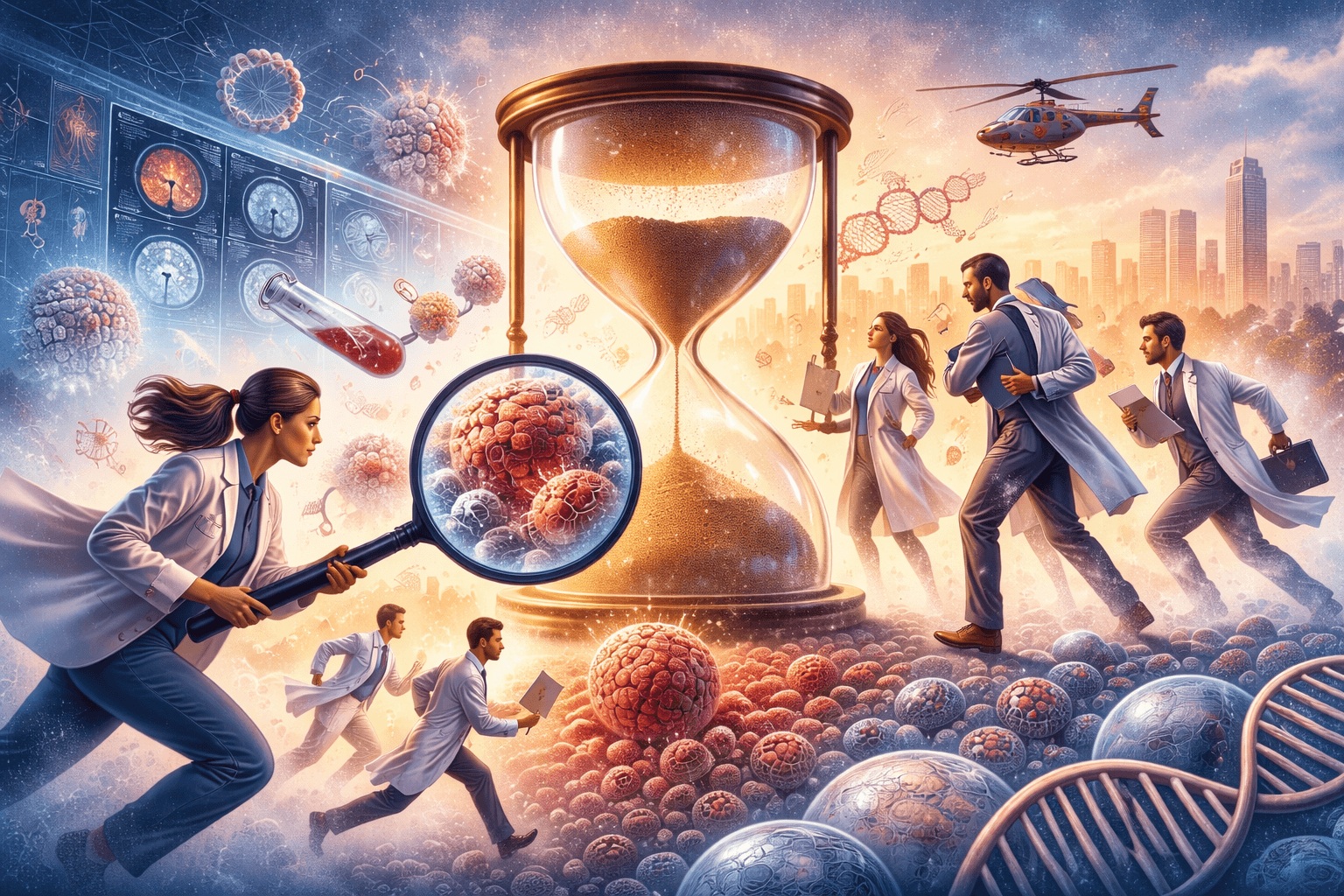

India today faces a growing cancer burden. More than 14 lakh new cancer cases are reported annually, and the numbers continue to rise due to lifestyle changes, environmental exposure, stress, and increasing life expectancy. Breast cancer has become the most common cancer among Indian women, while oral cancer remains alarmingly high due to tobacco consumption. Cervical cancer, lung cancer, and colorectal cancer are also on the rise. A major challenge is that a large percentage of cases are diagnosed at advanced stages, when treatment becomes difficult, expensive, and emotionally draining for families.
Medical science is clear on one fact: cancer is largely curable if detected early. Early-stage diagnosis often requires simpler treatment, leads to better outcomes, and allows patients to live normal, productive lives. Unfortunately, traditional diagnostic systems are often hospital-centric, time-consuming, and inaccessible to large sections of the population, especially in rural and semi-urban India.
This is where research and development (R&D) becomes a game-changer. Globally, the focus of cancer research is shifting from late-stage treatment to early detection and prevention. New-age technologies are being developed to identify cancer biomarkers quickly, accurately, and non-invasively.
At our research group, working in collaboration with technology and partners in Japan, we have developed rapid cancer diagnostic solutions that can deliver results in as little as five minutes. These include home-based diagnostic kits, designed to be simple, affordable, and scalable. Such innovations can bring cancer screening out of laboratories and hospitals and into homes—where early action truly begins.
However, technology alone is not enough. Awareness is equally critical. Fear, stigma, and lack of information often delay diagnosis. People must understand that screening is a step towards safety, not panic. Cancer is no longer a silent killer—it is a manageable disease when detected early.
On World Cancer Day 2026, the message must be strong and clear: early diagnosis saves lives. Through science, awareness, and timely action, we can transform cancer from a life-threatening condition into a curable challenge. The future of cancer care lies not in fear, but in foresight.
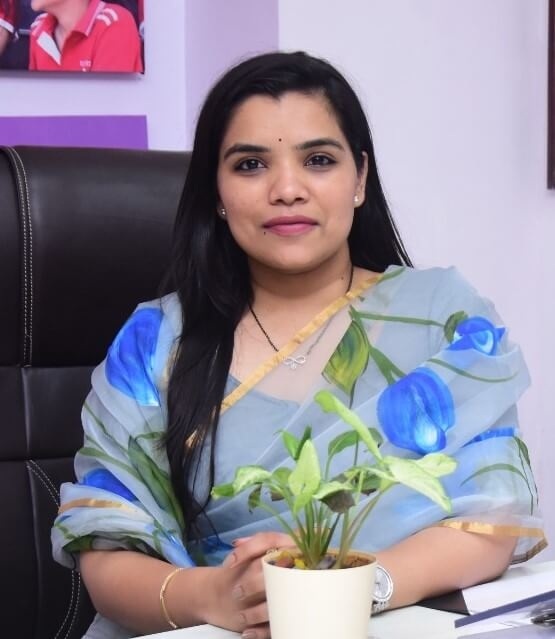

Dr.Radhika Biyani
Asst. Director , biyani group of colleges