The post जन्मदिन विशेष: फिल्ममेकर ही नहीं, बेहतरीन एक्टर भी हैं करण जौहर appeared first on Biyani Times.
]]>करियर :-
करण जौहर ने फिल्म ‘दिलवाले दुल्हनिया ले जाएंगे’ से सहायक निर्देशक के तौर पर फिल्म इंडस्ट्री में शुरूआत की जो कि हिन्दी सिनेमा की लैंडमार्क फिल्मों में से एक मानी जाती है। इस फिल्म में उन्होंने शाहरूख के दोस्त का एक छोटा सा किरदार भी निभाया था। निर्देशक के तौर पर उनकी पहली फिल्म ‘कुछ कुछ होता है’ थी। जो ब्लाकबस्टर रही। यह फिल्म एक प्रेम त्रिकोण पर आधारित थी। फिल्म की काफी सराहना हुई और फिल्म ने कई पुरस्कार जीते। इसके बाद कभी खुशी कभी गम, कभी अलपिदा ना कहना, माय नेम इज खान। इन सभी फिल्मों में करन ने अपने अजीज दोस्त शाहरूख को ही लीड रोल में कास्ट किया। इनके बाद आई उनकी निर्माता-निर्देशक के तौर पर फिल्मों में उन्होंने नई पीढ़ी को कास्ट करना शुरू कर दिया। कई फिल्मों में वे कैमियो में भी नजर आए आ चुके हैं।

प्रसिद्ध फिल्में-
डायरेक्टर के तौर पर :-
कुछ कुछ होता है, कभी खुशी कभी गम, कभी अलविदा ना कहना, माय नेम इज खान, स्टूडेंट ऑफ द ईयर, बॉम्बे टॉकीज।
निर्माता के तौर पर :-
कल हो ना हो, काल, कभी अलविदा ना कहना, दोस्ताना, कुर्बान, वेक अप सिड, मास नेम इज खान, आई हेट लव स्टोरीज, वी आर फैलिली, अग्निपथ, एक मैं और एक तू, स्टूडेंट ऑफ द ईयर, गिप्पी, ये जवानी है दीवानी, गोरी तेरे प्यार में, हंसी तो फंसी, 2 स्टेट्स, हंपटी शर्मा की दुल्हनिया, उंगली।
लेखक के तौर पर :-
कुछ कुछ होता है, कभी खुशी कभी गम, कल हो ना हो, कभी अलविदा ना कहना, माय नेम इज खान, स्टूडेंट ऑफ द ईयर, बॉम्बे टॉकीज।
टीवी पर भी छाए करण:-
टीवी पर करण ने ‘कॉफी विद करण’ नाम का शो होस्ट किया जिसमें सेलिब्रिटीज से वे बातचीत करते हैं। साक्षात्कार देने वालों में अभिनेता, निर्देशक, निर्माता और हिन्दी फिल्म इंडस्ट्री के अन्य प्रतिष्ठित नाम हैं। यह शो काफी पापुलर हुआ और कई बार चर्चा का विषय बना रहा। इस शो में भी करन लगभग हर बड़े सेलिब्रिटी को बुला चुके हैं और उनसे बातें कर चुके हैं। इंडस्ट्री में लगभग सभी से अच्छे संबंध होने की वजह से उनके एक बार के बुलावे पर सभी चले आते हैं।
पिता का नाम लेने में आती थी शर्म :-
करण जौहर के बचपन में एक समय ऐसा भी था जब इन्हें अपने पिता का नाम लेने में भी शर्म महसूस होती थी। उस दौरान यश जौहर ने फिल्म ‘मुकद्दर का फैसला’ (Muqaddar Ka Faisla) बनाई थी जो बॉक्स ऑफिस पर बुरी तरह फ्लॉप हो गई थी। ‘मुकद्दर का फैसला’ के फ्लॉप होने के बाद वह सभी को ये नहीं बताते थे कि यश उनके पिता हैं. वो कहते थे कि उनके पिता एक बड़े बिजनेसमैन हैं।
राधिका अग्रवाल
The post जन्मदिन विशेष: फिल्ममेकर ही नहीं, बेहतरीन एक्टर भी हैं करण जौहर appeared first on Biyani Times.
]]>The post जन्मदिन विशेष :- इंजीनियरिंग की डिग्री के बाद फिल्म इंडस्ट्री में रखा कदम appeared first on Biyani Times.
]]>करियर :-
विक्की कौशल के इंजीनियरिंग की डिग्री हासिल करने के बाद वे एक आईटी कंपनी में कार्यरत थे, किन्तु उन्होंने एक इंडस्ट्रियल यात्रा के दौरान यह महसूस किया, कि उन्हें कार्यालय की नौकरी नहीं, बल्कि फिल्मों में करियर बनाना चाहिए. उन्होंने कुछ समय के लिए ही इंजीनियरिंग की नौकरी की और फिर वे अपने पिता के साथ फिल्म के सेट जाने लगे. उन्होंने किशोर नामित कपूर की एकैडमी में अभिनय का अध्ययन भी किया. विक्की नसीरुद्दीन शाह और मानव कॉल के थिएटर ग्रुप्स का हिस्सा भी बने थे. फिर उन्होंने क्राइम ड्रामा फिल्म ‘गैंग्स ऑफ वासेपुर’ के दोनों पार्ट में अनुराग कश्यप के सहायक निर्देशक के रूप में काम किया. इस तरह से इन्होंने फिल्मों में करियर बनाने का फैसला किया।
विक्की कौशल का बॉलीवुड में डेब्यू :-
वर्ष 2010 में विक्की ने निर्देशक अनुराग कश्यप के साथ बतौर सहायक निर्देशक फिल्म गैंग्स ऑफ वासेपुर में काम किया। इस फिल्म की शूटिंग के दौरान नीरज घायवान भी फिल्म गैंग्स ऑफ वासेपुर में बतौर सहायक निदेशक कर कर रहे थे। इस दौरान कौशल और नीरज की अच्छी दोस्ती हो गयी। फिल्म वासेपुर के खत्म होने के बाद नीरज ने फिल्म मसान निर्देशित करने की सोची, जिसके लिए उन्होंने विक्की को ऑडिशन के लिए बुलाया। फिल्म मसान में विक्की ने एक बनारसी लड़के की भूमिका अदा की थी।मसान के बाद विक्की की दूसरी फिल्म जुबान थी, जो मार्च 2016 में रिलीज हुई यह फिल्म एक युवा लड़के (विक्की कौशल) की कहानी है जो बड़बड़ाने की बीमारी से ग्रस्त है। उनकी अगली फिल्म रमन राघव 2.0, अनुराग कश्यप की मनोवैज्ञानिक थ्रिलर थी, जिसमें उन्होंने नशे की लत वाले किरदार को निभाया है। इसके अलावा विक्की मनमर्जियां में भी नजर आये।वर्ष 2018 में विक्की मेघना गुलजार निर्देशित फिल्म राजी में अलिया भट्ट के अपोजिट नजर आये। फिल्म में उन्होंने पाकिस्तानी आर्मी जवान की भूमिका अदा की थी। उन्होंने अपने किरदार को बेहद ही सादगी से निभाया, जिसके क्रिटिक्स ने उन्हें काफी सराहा। इसके बाद विक्की फिल्म संजू (2018) में नजर आये । इस फिल्म में विक्की (कुमार गौरव) की भूमिका अदा किया है, जोकि संजय दत्त के करीबी दोस्तों में से एक हैं। फिल्म उरी: द सर्जिकल स्ट्राइक में विक्की की उम्दा प्रदर्शन के लिए इन्हे राष्ट्रिय पुरस्कार से भी नवाज़ा गया है।
विक्की कौशल से जुडी अनसुनी बातें :-
1. विक्की कौशल ने बहुत कम समय में अपना नाम कमाया है. ‘उरी द सर्जिकल स्ट्राइक’ फिल्म के बाद तो विक्की कौशल बॉलीवुड के ए ग्रेड के अभिनेताओं की लिस्ट में शुमार हो गए. रणबीर कपूर की फिल्म ‘संजू’ में उनके किरदार ‘कमली’ को भी खूब वाहवाही मिली।
2 . विक्की कौशल ने इंजीनियरिंग की हैं. वो विदेश में टेली कम्युनिकेशन इंजीनियर की नौकरी भी कर चुके हैं. लेकिन बचपन से ही उन्हें एक्टिंग का शौक था, जिसे पूरा करने के लिए वो नौकरी छोड़कर बॉलीवुड में आ गए।
3 . विक्की ने अनुराग कश्यप की फिल्म ‘गैंग्स ऑफ वासेपुर’ के दोनों पार्ट में बतौर असिस्टेंट डायरेक्टर भी काम किया है. इसके बाद उन्होंने ‘लव शव ते चिकन खुराना’ फिल्म से बॉलीवुड में डेब्यू किया लेकिन उन्हें फिल्म ‘मसान’ से पहचान मिली।
4 . विक्की कौशल के पिता श्याम कौशल बॉलीवुड में बतौर एक्शन डायरेक्टर काम किया करते थे. शुरुआती दिनों में विक्की अपने परिवार के साथ मुंबई की चॉल में भी समय काट चुके हैं।
The post जन्मदिन विशेष :- इंजीनियरिंग की डिग्री के बाद फिल्म इंडस्ट्री में रखा कदम appeared first on Biyani Times.
]]>The post जाने एक्ट्रेस कंगना रनौत से जुड़ी अनसुनी बातें appeared first on Biyani Times.
]]>
गुरुवार को कंगना ने अपना 36 वा जन्मदिन मनाया। कंगना रनौत का जन्म 23 मार्च 1987 को हिमाचल प्रदेश के एक छोटे से शहर भांबला में हुआ ,ये राजपूत परिवार से ताल्लुक रखती है। उनकी माँ आशा रनौत एक स्कूल में पढ़ाया करती थी और उनके पिता अमरदीप रनौत एक कारोबारी हैं। उनकी बड़ी बहन रंगोली चंदेलसाल 2015 से उनके साथ काम करती हैं। कंगना रनोत बचपन से ही ज़िद्दी स्वभाव की है। कंगना को बचपन से ही फ़ैशन से बहुत लगाव है और वह बचपन में ही तरह तरह के कपडे पहना करती थी।
शिक्षा : –
कंगना ने अपनी पढ़ाई चंडीगढ़ के डी.ए.वी स्कूल की है, कंगना पढ़ाई में बहुत होशियार है। कंगना के घरवाले वाले उन्हें डॉक्टर बनाना चाहते थे लेकिन कंगना को डॉक्टर नहीं बनना था , कंगना परिवार के इस दबाब को झेल नहीं पायी और बारहवीं में फ़ैल हो गयी और कंगना ने आगे पढ़ाई करने से मना कर दिया।
करियर : –
कंगना जब अपने करियर की शुरुआत करने दिल्ली के अस्मिता थिएटर ग्रुप में शामिल हुयी थी उस वक्त उनकी उम्र 16 साल थी ।कम उम्र में कुछ कर गुजरने का जज़्बा लेकर उन्होंने दिल्ली में स्थित थिएटर के निर्देशक अरविंद गौर से अभिनय के बारे में कुछ सीखा ।कंगना ने 2004 में एक अभिनेत्री के गुण सीखने के लिए आशा चंद्रा का कोर्स ज्वाइन किया। उसके बाद वह अभिनेत्री बनने का सपना लेकर मुंबई आ गईं। कंगना को साल 2005 में आई फिल्म गैंगस्टर से सफलता मिली। कंगना की यह पहली फिल्म बॉक्स ऑफिस पर सफल रही ।
इसके बाद उन्होंने वर्ष 2007 में फिल्म लाइफ इन ए मेट्रो, शाका लाका बूम बूम जैसी फिल्मों में काम किया। इसके बाद उन्होंने फिल्म फैशन में काम किया जो साल 2008 में आयी थी। फिल्म फैशन में उनके काम की बहुत तारीफ की गयी और बेहतरीन अभिनय करने के लिए उन्हें सर्वश्रेष्ठ सहायक अभिनेत्री का फिल्मफेयर ,सर्वश्रेष्ठ सहायक अभिनेत्री पुरस्कार और राष्ट्रीय फिल्म पुरस्कार भी मिला ।
प्रसिद्ध फिल्मे : –
गैंगस्टर , वो लम्हे , शाकालाका बूम बूम ,लाइफ़ इन अ… मेट्रो , धाम धूम , फ़ैशन ,राज़ : दि मिस्ट्री कन्टिन्युज , वादा रहा , सिमरा ,काइट्स , नोक आउट, नो प्रौब्लम , तनु वेड्स मनु , गेम ,रज्जो , क्वीन , सिमरन , पंगा , मणिकर्णिका: दी क़्वीन ऑफ झाँसी रानी लक्ष्मीबाई
अवार्ड्स :-
नेशनल फिल्म अवार्ड्स ,फिल्मफेयर अवार्ड्स,नेशनल फिल्म अवार्ड्स , आइफा अवार्ड्स , आइफा अवार्ड्स , गिल्ड अवार्ड्स , जी सिने अवार्ड्स , बॉलीवुड मूवी अवार्ड
कंगना रनोट से जुडी अनसुनी बातें : –
कंगना के पिता उनके अभिनेत्री बनने के फैसले से खुश नहीं थे। अपने पिता के साथ एक तसलीम के बाद, कंगना रनौत को घर छोड़ने के लिए कहा गया और अभिनेत्री ने बात मानी और बिना किसी पैसे के चली गई।
कंगना भारतीय सिनेमा की तीसरी ऐसी अभिनेत्री हैं, जिन्होंने एक के बाद एक दो बार सर्वश्रेष्ठ अभिनेत्री का राष्ट्रीय पुरस्कार जीता है।
मात्र 22 साल की उम्र मे नेशनल फिल्म अवार्ड्स पाने वाली पहली एक्ट्रेस हैं।
कंगना को टीवी देखना बिल्कुल पसंद नही है आज तक इन्होंने मुश्किल से कुछ गिनीचुनी फिल्में ही देखी है।
कंगना को खाना बनाने का बहुत शोक है जब भी इन्हे शूटिंग के बाद खाली समय मिलता है तो ये खुद के लिये कुकिंग करती है ।
The post जाने एक्ट्रेस कंगना रनौत से जुड़ी अनसुनी बातें appeared first on Biyani Times.
]]>The post जन्मदिन विशेष : जग्गू दादा के बारे में जाने कुछ अनसुने किस्से appeared first on Biyani Times.
]]>
करियर :- करियर की शुरुआत मैं जैकी श्रॉफ ने 1982 में आई फिल्म ‘स्वामी दादा ‘ से की थी। अगले साल(1983) सुभाष घई ने अपनी फिल्म ‘हीरो ‘ में लीड रोल पर कास्ट किया जिसमे हीरोइन मीनाक्षी शेषाद्रि थी। ये फिल्म ब्लॉकबस्टर हुई। इसके बाद जैकी ने कई फिल्मो मैं काम किया जिसमे उन्होंने सभी प्रकार की भूमिकाए निभाई।
प्रमुख फिल्मे :- जैकी श्रॉफ ने स्वामी दादा, हीरो, अंदर बाहर, युद्ध, तेरी मेहरबानियां, पाले खां, अल्लाह रख्खा, कर्मा, जवाब हम देंगे, काश, राम लखन, परिंदा, मैं तेरा दुश्मन, त्रिदेव, वर्दी, दूध का कर्ज, सौदागर, किंग अंकल, खलनायक, गर्दिश, त्रिमूर्ति, रंगीला, बंदिश, अग्निसाक्षी, बॉर्डर, बंधन, रिफयूजी, मिशन कश्मीर, फर्ज, यादें, लज्जा, देवदास, ऑन-मेन एट वर्क, हलचल, क्योंकि, भूत अंकल, भागमभाग, किसान, वीर, शूटआऊट एट वडाला, धूम 3, हैप्पी न्यू ईयर, डर्टी पॉलीटिक्स , सूर्यवंशी,अतिथि भूतो भव :, रक्षा कवच ओम, राधे – यू मोस्ट वांटेड भाई आदि जैसी फिल्मो में काम कर बॉलीवुड में अपना परचम लहराया ।
वैवाहिक जीवन :- 80 के दशक में जैकी ने लम्बे समय से रही उनकी गर्लफ्रेंड आयशा दत्त से विवाह कर लिया। आयशा जो बाद में फ़िल्म एक फ़िल्म निर्मात्री भी बनीं। दोनों जैकी श्रॉफ एंटरटेनमेंट लिमिटेड नामक मीडिया कंपनी भी चलाते हैं। जैकी श्रॉफ के 2 बच्चे हैं जिनमे बेटे टाइगर श्रॉफ (हेमंत जय )
और बेटी कृष्णा श्रॉफ हैं। टाइगर श्रॉफ बॉलीवुड के लोकप्रिय अभिनेता हैं और कृष्णा श्रॉफ भी जानीमानी प्रोडूसर हैं।

जग्गू दादा से जुडी बाते –
– 1990 के बाद वे लीड रोल से ज्यादा सह-अभिनेता के तौर पर मजबूत रोल में दिखने लगे।
– वो डायरेक्टर सुभाष घई ही थे जिन्होंने श्रॉफ को ‘जैकी’ नाम दिया था।
– उन्हें करीब 175 से ऊपर फिल्मों में काम किया है जिसमें हिन्दी, तमिल, बंगाली, तेलगु, मलयालम, कन्नड़, मराठी, पंजाबी, ओडि़या फिल्में शामिल हैं।
– फिल्मों में आने से पहले जैकी ट्रक ड्राईवर हुआ करते थे।
– जैकी को फिल्म ‘परिंदा’ के लिए सर्वश्रेष्ठ अभिनेता का फिल्मफेयर पुरस्कार मिला तो वहीं फिल्म ‘खलनायक’ के लिए उन्हें फिल्मफेयर पुरस्कार में सर्वश्रेष्ठ सहायक अभिनेता के तौर पर नामांकित किया गया। इसके अलावा भी कई बार उन्हें पुरस्कारों से नवाजा जा चुका है।
– 2007 में जैकी को भारतीय सिनेमा में उत्कृष्ट योगदान के लिए विशेष न्यायाधीश जूरी पुरस्कार से भी सम्मानित किया गया।
– फिल्मों में आने से पहले जैकी ट्रक ड्राईवर हुआ करते थे।
– फिल्म इंडस्ट्री में उन्हें काम करते हुए लगभग चार दशक का वक्त हो चुका है।
अवार्ड :-
1990 : बेस्ट एक्टर का फिल्मफेयर अवार्ड – परिंदा फिल्म
1994 : अवार्ड के लिये नाम निर्देशित किया गया – गर्दिश फिल्म
1994 : बेस्ट सपोर्टिंग एक्टर के फिल्मफेयर अवार्ड के लिये नाम निर्देशित – खलनायक फिल्म
1995 : बेस्ट सपोर्टिंग एक्टर का फिल्मफेयर अवार्ड – फिल्म 1942: ए लव स्टोरी
1996 : बेस्ट सपोर्टिंग एक्टर का फिल्मफेयर अवार्ड – फिल्म रंगीला
1997 : बेस्ट सपोर्टिंग एक्टर का फिल्मफेयर अवार्ड – फिल्म अग्नि साक्षी
2001 : नेगेटिव रोल में बेस्ट परफॉरमेंस का फिल्मफेयर के लिये नाम निर्देशित – मिशन कश्मीर
2002 : बेस्ट सपोर्टिंग एक्टर का फिल्मफेयर के लिये नाम निर्देशित – यादें फिल्म
2003 : बेस्ट सपोर्टिंग एक्टर का फिल्मफेयर के लिये नाम निर्देशित – देवदास फिल्म
2007 : इंडियन सिनेमा में अमूल्य योगदान के लिये विशेष सम्माननीय जूरी अवार्ड मिला।
देविका श्रीवास्तव
The post जन्मदिन विशेष : जग्गू दादा के बारे में जाने कुछ अनसुने किस्से appeared first on Biyani Times.
]]>The post Birthday of Vivek Ranjan Agnihotri appeared first on Biyani Times.
]]>Vivek Ranjan Agnihotri is an Indian film director, film producer, and screenwriter who predominantly works in the Bollywood industry. Also, he is a member of the Central Board of Film Certification. In 2019, he was honoured with the National Film Award for the best screenplay and dialogue in The Tashkent Files. Later, he wrote the story of The Kashmir Files, and he decided to direct that movie, which he finished in 2020, and he received positive reviews for that film.
Agnihotri was born on November 10, 1967, to Prabhu Dayal Agnihotri and Sharda Agnihotri in Gwalior, Madhya Pradesh. He graduated in mass communication from the Indian Institute, and he also holds a certificate in administration and management from Harward Extension School. In 1997, Vivek married an Indian actress named Pallavi Joshi, and they had two children named Manan Agnihotri (son) and Malika Agnihotri (daughter).
Career
In 2005, Vivek Agnihotri made his Bollywood debut with the film Chocolate. It didn’t get much success and did poorly at the box office. He faced many flop movies like Dhan Dhana Dhan Goal, Zid, etc. Then, after many years, Agnihotri came up with a proper storyline and screenplay, which is “The Tashkent Files.” It was an unexpected hit in the Bollywood industry and a miscellaneous success at the box office. For The Tashkent Files, Agnihotri received the National Film Award for his unique screenplay and dialogue. And the next movie, The Kashmiri Files, became a blockbuster hit.
The post Birthday of Vivek Ranjan Agnihotri appeared first on Biyani Times.
]]>The post Birthday of Tabassum Fatima Hashmi appeared first on Biyani Times.
]]>Tabassum Fatima Hashmi (born 4 November 1971), better known by her stage name Tabu, is an Indian actress who primarily works in Hindi films, alongside Telugu and Tamil language films. Regarded as one of the most accomplished actresses in India, Tabu has often played troubled, complicated women in a range of characters, from fictional to literary, in both mainstream and independent cinema, as well as some American productions. She is the recipient of numerous accolades, including two National Film Awards for Best Actress and six Filmfare Awards, including a record four awards for Best Actress (Critics). In 2011, the Government of India awarded her the Padma Shri, the fourth highest civilian honour of the country.
Tabu’s first credited role came as a teenager in Dev Anand’s Hum Naujawan (1985), but her first role as a lead was in the Telugu film Coolie No. 1 (1991). In 1994, she received the Filmfare Award for Best Female Debut for the Hindi action drama Vijaypath.
Tabu’s literary characters were in films such as Kandukondain Kandukondain (2000), an adaptation of Jane Austen’s Sense and Sensibility, as well as a role based on Lady Macbeth in Maqbool (2004), an adaptation of Shakespeare’s Macbeth.
Tabu’s first international project came in 2006 with Mira Nair’s adaptation of Jhumpa Lahiri’s novel The Namesake. For her starring role in Cheeni Kum (2007) she received a record fourth Filmfare Critics Award, and she took on fewer film projects over the next few years.
She played a prostitute in the Telugu film Pandurangadu (2008) and appeared briefly in Ang Lee’s adventure film Life of Pi (2012). In 2014, she starred alongside Salman Khan in Jai Ho and garnered critical acclaim for playing the Gertrude character in Haider, an adaptation of Shakespeare’s Hamlet.
She won the Filmfare Award for Best Supporting Actress for the latter. Tabu went on to star in the horror comedies Golmaal Again (2017) and Bhool Bhulaiyaa 2 (2022), and continued to receive praise for playing a police-officer in Drishyam (2015) and a murderess in Andhadhun (2018). The latter ranks among the highest-grossing Indian films. She is reluctant to discuss her personal life in the media.
Early life
Tabassum Fatima Hashmi was born to Jamal Ali Hashmi and Rizwana in a Hyderabadi Muslim family. She did her schooling at St. Ann’s High School, Vijayanagar Colony, Hyderabad. Tabu moved to Mumbai in 1983 and studied at St. Xavier’s College for 2 years.
She is the niece of Shabana Azmi, Tanvi Azmi and Baba Azmi and the younger sister of actress Farah Naaz
Acting career
Tabu had an uncredited appearance in Bazaar (1982), and later in Hum Naujawan (1985) at the age of 14; she played Dev Anand’s daughter in the film. Her first role as an actress was in the Telugu film Coolie No.1 (1991) co-starring with Venkatesh. In December 1987, producer Boney Kapoor launched 2 major films; Roop Ki Rani Choron Ka Raja and Prem. In Prem, Tabu was signed opposite Sanjay Kapoor, Boney’s younger brother. The film took 8 years in the making and it turned out to be the biggest flop in Boney Kapoor’s production career. Tabu’s career took off well after this film, in spite of the long delay.
Tabu’s first release in Hindi as a leading lady was Pehla Pehla Pyar (1994), which went unnoticed. She rose to prominence with her role in Vijaypath (1994) opposite Ajay Devgan, for which she received Best Female Debut at Filmfare. This was followed by several unsuccessful films; however, in this period she appeared in a box-office success Haqeeqat (1995).
In 1996, Tabu had 8 releases. 2 films Saajan Chale Sasural and Jeet were successful at the box-office, ranking in the top 5 films of that year. Her other significant film, Maachis, was critically acclaimed. Her role as a Punjabi woman caught in the rise of Sikh insurgency was highly acclaimed; she went on to win her first National Film Award for Best Actress for her performance.
The same year saw her major blockbuster films down south. She starred in the Telugu blockbuster Ninne Pelladata, opposite Nagarjuna, a film which won the National Film Award for Best Feature Film in Telugu.
Anupama Chopra wrote that she was “breathtakingly sensuous” in the part. The critically acclaimed Malayalam period epic film Kalapani directed by Priyadarshan brought her laurels for her acting from all across South India. She also debuted in Kollywood through the highly successful Tamil film Kadhal Desam, directed by Kathir.
Tabu’s first release of 1997 was Border a war drama about the real-life events surrounding the Battle of Longewala during the Indo-Pak War of 1971. She played the role of Sunny Deol’s wife. Her role was small, but the film went on to be the second-biggest hit of 1997 after Dil To Pagal Hai. That year, she also starred in the critically acclaimed film Virasat.
The film was a success at the box office and Tabu won the Filmfare Best Actress (Critics) for her performance in the film. The same year saw her feature in Mani Ratnam’s Tamil political drama Iruvar which had an ensemble cast including Mohanlal, Aishwarya Rai, Prakash Raj and Gautami. She also appeared in Chachi 420 (1998).
In 1999, she starred in 2 successful multi-starrers; Biwi No.1 and Hum Saath-Saath Hain: We Stand United, which went to become the highest-grossing and the second highest-grossing films of the year respectively. She received positive reviews for Hu Tu Tu, which won her another Filmfare Best Actress (Critics).
Controversy
In 1998, Tabu was charged with poaching two blackbucks on the outskirts of Kankani village in Jodhpur district of Rajasthan during the filming of Hum Saath Saath Hain along with co-stars Salman Khan, Saif Ali Khan, Sonali Bendre and Neelam Kothari. A lower court charged her with the others under the Wildlife Protection Act, 1972 and the IPC.
She had filed a revision petition before a sessions court which discharged her of Section 51 (causing harm to wildlife) of Wildlife Act and both of 147 (punishment for rioting) and 149 (unlawful assembly of persons) of the Indian Penal Code. The Rajasthan State Government then filed a revision petition before the Rajasthan High Court at Jodhpur which again added Section 149 against her, which had been dropped earlier.
In December 2012, the Jodhpur court summoned her along with all the accused for commencement of the trial with the revised charges on 4 February 2013. Although Tabu was acquitted in the blackbuck poaching case on 5 April 2018, the Rajasthan High Court issued her with a notice, challenging her acquittal on 11 March 2019.
The post Birthday of Tabassum Fatima Hashmi appeared first on Biyani Times.
]]>The post Birthday of Hema Malini appeared first on Biyani Times.
]]>Hema Malini (born 16 October 1948) is an Indian actress, director, producer, and politician. She is primarily known for her work in Hindi films. Malini made her acting debut in 1963 with the Tamil film Idhu Sathiyam. Malini first acted in a lead role in Sapno Ka Saudagar (1968), and went on to feature in numerous Hindi films, frequently opposite Dharmendra, whom she married in 1980. Malini was initially promoted as the “Dream Girl”, and in 1977 starred in a film of the same name. Known for starring in both comic and dramatic roles, she is among the most successful leading actresses of mainstream Hindi cinema.
During her career, she received eleven nominations for the Filmfare Award for Best Actress, winning the award in 1973. In 2000, Malini won the Filmfare Lifetime Achievement Award and in 2019 Filmfare Special Award for 50 Years of Outstanding Contribution to Cinema. She is also honoured with the Padma Shri, the fourth-highest civilian honour awarded by the Government of India. In 2012, the Sir Padampat Singhania University conferred an Honorary Doctorate on Malini in recognition of her contribution to Indian cinema. Malini served as chairperson of the National Film Development Corporation. In 2006, Malini received the Sopori Academy of Music And Performing Arts (SaMaPa) Vitasta award from Bhajan Sopori in Delhi for her contribution and service to Indian culture and dance. In 2013, she received the NTR National Award from the Government of Andhra Pradesh for her contribution to Indian cinema.
From 2003 to 2009, She was elected to the Rajya Sabha, the upper House of parliament, as a representative of the Bharatiya Janata Party. In 2014, Malini was elected to the Lok Sabha. Malini has been involved with charitable and social ventures. Currently, Malini is also a life member of the International Society for Krishna Consciousness (ISKCON).
Early life and family
Malini was born in a Tamil Iyengar Brahmin family to Jaya Lakshmi and VSR Chakravarti Iyengar in Srirangam. She attended the Andhra Mahila Sabha in Chennai where her favourite subject was history. She studied at DTEA Mandir Marg until the 11th Standard after which she pursued her acting career.
Her first film with Dharmendra was Tum Haseen Main Jawaan (1970). The two got married in 1980. Dharmendra already had two sons and two daughters with his first wife, two of whom later became Bollywood actors – Sunny Deol and Bobby Deol. Malini and Dharmendra have two children, Esha Deol (born 1981) and Ahana Deol (born 1985).
Madhoo Raghunath, who played the female lead in Phool Aur Kaante, Roja and Annayya, is Malini’s niece.
On 11 June 2015, Hema Malini became grandmother when her younger daughter Ahana Deol gave birth to her first child, Darien Vohra. On 20 October 2017, she became grandmother for the second time when her elder daughter, Esha Deol Takhtani gave birth to a girl, Radhya Takhtani.
Film career
1960–1970 (Early work)
Malini had played small roles in Pandava Vanavasam (1965) and Idhu Sathiyam (1962). In 1968, she was chosen to play the lead opposite Raj Kapoor in Sapno Ka Saudagar and promoted as Dream Girl.
1970–1978 (Established actress)
Malini played the lead in Johnny Mera Naam (1970). Roles in subsequent films like Andaz (1971) and Lal Patthar (1971) established her as a leading actress. In 1972, she played a double role opposite Dharmendra and Sanjeev Kumar in Seeta Aur Geeta which earned her a Filmfare Best Actress Award for the film.The list of successful films she starred include Sanyasi, Dharmatma and Pratigya, Sholay, Trishul to name a few.
Malini and Dharmendra, acted together in 28 films including Sharafat, Tum Haseen Main Jawan, Naya Zamana, Raja Jani, Seeta Aur Geeta, Patthar Aur Payal, Dost (1974), Sholay (1975), Charas, Jugnu , Trishul , Apna Khoon , Azaad (1978) and Dillagi (1978).
Her chemistry with Rajesh Khanna was appreciated in Andaz and Prem Nagar. Their subsequent films like Mehbooba and Janta Hawaldar however did not do well at the box-office.
1980–1997 (Commercial success)
In the 80s Malini continued to star in big budget films like Kranti, Naseeb, Satte Pe Satta and Rajput, most of which proved successful at the box-office. She continued to work in heroine-centric roles after becoming a mother, in films like Aandhi Toofan, Durgaa, Ramkali, Sitapur Ki Geeta, Ek Chadar Maili Si, Rihaee and Jamai Raja.
During this period, her films with Dharmendra included Alibaba Aur 40 Chor, Baghavat, Samraat, Razia Sultan, Baghavat, and Raaj Tilak. She continued to be paired with Rajesh Khanna in movies like Dard, Bandish, Kudrat, Hum Dono, Rajput, Babu, Durgaa, Sitapur Ki Geeta and Paap Ka Ant, some of which were modest successes.
In the 1990s, she produced and directed the 1992 film Dil Aashna Hai, starring Divya Bharti and Shah Rukh Khan in the leading roles. She also produced and directed her second feature film Mohini (1995), starring her niece Madhoo and actor Sudesh Berry in the leading roles. She then focused on dancing and television work, only occasionally appearing in films. In 1997, she acted in Vinod Khanna’s production Himalay Putra.
2000(s)–present
After taking a break from films for a number of years, Malini made a comeback with Baghban (2003), for which she earned a Filmfare Best Actress Award nomination. She also made guest appearances in the 2004 film Veer-Zaara and the 2007 film Laaga Chunari Mein Daag, in addition to a supporting role in the 2006 film Baabul. In 2010, she acted in Sadiyaan alongside fellow veteran actress Rekha. In 2011, she produced and directed her third feature film Tell Me O Khuda which featured both her husband Dharmendra and her daughter Esha Deol, which was a box office failure. In 2017 she acted in the film Ek Thi Rani Aisi Bhi in the role of Vijaya Raje Scindia of Gwalior, with Vinod Khanna as her husband, unfortunately it was Khanna’s last film. The film was directed by Gul Bahar Singh. The film was released on 21 April 2017. Her latest film is Shimla Mirchi, starring Rajkummar Rao and Rakul Preet Singh. The movie was theatrically released in India on 3 January 2020. And it was made available on Netflix on 27 January 2020.
In 2021, she was honored with Indian Film Personality of the Year Award at 52nd International Film Festival of India.
Political career
In 1999, Malini campaigned for the Bharatiya Janata Party (BJP) candidate, Vinod Khanna, a former Bollywood actor, in the Lok Sabha Elections in Gurdaspur, Punjab. In February 2004, Malini officially joined the BJP.From 2003 to 2009, she served as an MP to the upper house – the Rajya Sabha, having been nominated by the then President of India, Dr. A.P.J. Abdul Kalam. In March 2010, Malini was made general secretary of the BJP, and in February 2011, she was recommended by Ananth Kumar, the party general secretary.In the 2014 general elections for the Lok Sabha, Malini defeated the Mathura incumbent, Jayant Chaudhary (RLD) by 3,30,743 votes. Malini was then elected to the Lok Sabha.
Association with social causes
Malini is a supporter of the animal rights organization, PETA India. In 2009, she wrote a letter to the Mumbai Municipal Commissioner urging him to ban horse carriages from Mumbai’s busy streets.In 2011, she wrote to the Union Minister for Environment and Forests, Jairam Ramesh, urging him to ban bull fighting (jallikattu).She said, “My friends at PETA have organised investigations at Jallikattu events and documented that bulls are pulled roughly by their nose rings, punched, pummelled, hit with sharp sticks and crammed into trucks so tightly that they can barely move”. PETA named Malini their “PETA Person of the Year” for 2011. As a vegetarian, she said, “Knowing that my food choices are helping the planet and animals too, makes me happy”.
Other works
Dance
Malini is a trained Bharatanatyam dancer. Her daughters Esha Deol and Ahana Deol are trained Odissi dancers. They performed with Malini in a production called Parampara for charitable events. She also performed with her daughters at the Khajuraho Dance Festival.
Malini studied Kuchipudi with Vempati Chinna Satyam and Mohiniattam with Kalamandalam Guru Gopalakrishnan. She has played a number of dance roles including Narasimha and Rama in Tulasidas’s Ramcharitmanas. In 2007, she performed in Mysuru on the eve of Dussehra, where she played the roles of Sati, Parvati and Durga.
Malini owns the Natya Vihar Kalakendra dance school.
Television
Malini has appeared in television serials such as Jai Mata Ki (2000), directed by Puneet Issar. She played the role of goddess Durga. Other television series appearances include Kamini Damini on Sahara One where she played twin sisters and Noopur which Malini directed and in which she played a Bharatanatyam dancer. Malinialso starred in Yug, a fictional series depicting the story of Indian freedom fighters and their struggle to win freedom for India.
Production and promotional work
Malini was the editor of New Woman and Meri Saheli, Hindi women’s magazine. In 2000, Malini was appointed as the first female chairperson of the National Film Development Corporation for a term of three years.
In 2007, Malini entered a promotional contract with Kent RO Systems, makers of a mineral water purifier system. Malini also became a brand ambassador for Pothys, a textile showroom in Chennai.
The post Birthday of Hema Malini appeared first on Biyani Times.
]]>The post Birthday of APJ Abdul Kalam appeared first on Biyani Times.
]]>Avul Pakir Jainulabdeen Abdul Kalam 15 October 1931 – 27 July 2015) was an Indian aerospace scientist and statesman who served as the 11th President of India from 2002 to 2007. He was born and raised in Rameswaram, Tamil Nadu and studied physics and aerospace engineering. He spent the next four decades as a scientist and science administrator, mainly at the Defence Research and Development Organisation (DRDO) and Indian Space Research Organisation (ISRO) and was intimately involved in India’s civilian space programme and military missile development efforts. He thus came to be known as the Missile Man of India for his work on the development of ballistic missile and launch vehicle technology.He also played a pivotal organisational, technical, and political role in India’s Pokhran-II nuclear tests in 1998, the first since the original nuclear test by India in 1974.
Kalam was elected as the 11th president of India in 2002 with the support of both the ruling Bharatiya Janata Party and the then-opposition Indian National Congress. Widely referred to as the “People’s President“,he returned to his civilian life of education, writing and public service after a single term. He was a recipient of several prestigious awards, including the Bharat Ratna, India’s highest civilian honour.
While delivering a lecture at the Indian Institute of Management Shillong, Kalam collapsed and died from an apparent cardiac arrest on 27 July 2015, aged 83.Thousands, including national-level dignitaries, attended the funeral ceremony held in his hometown of Rameswaram, where he was buried with full state honours.
Early life and education
Avul Pakir Jainulabdeen Abdul Kalam was born on 15 October 1931, to a Tamil Muslim family in the pilgrimage centre of Rameswaram on Pamban Island, then in the Madras Presidency and now in the State of Tamil Nadu. His father Jainulabdeen Marakayar was a boat owner and imam of a local mosque; his mother Ashiamma was a housewife. His father owned a ferry that took Hindu pilgrims back and forth between Rameswaram and the now uninhabited Dhanushkodi. Kalam was the youngest of four brothers and one sister in his family. His ancestors had been wealthy Marakayar traders and landowners, with numerous properties and large tracts of land. Even though his ancestors had been wealthy Marakayar traders, the family had lost most of its fortunes by the 1920s and was poverty-stricken by the time Kalam was born. Marakayar are a Muslim ethnic found in coastal Tamil Nadu and Sri Lanka who claim descendance from Arab traders and local women. Their business had involved trading groceries between the mainland and the island and to and from Sri Lanka, as well as ferrying pilgrims between the mainland and Pamban. As a young boy he had to sell newspapers in order to add to the family’s meager income. With the opening of the Pamban Bridge to the mainland in 1914, however, the businesses failed and the family fortune and properties were lost over time, apart from the ancestral home.
In his school years, Kalam had average grades but was described as a bright and hardworking student who had a strong desire to learn. He spent hours on his studies, especially mathematics. After completing his education at the Schwartz Higher Secondary School, Ramanathapuram, Kalam went on to attend Saint Joseph’s College, Tiruchirappalli, then affiliated with the University of Madras, from where he graduated in physics in 1954. He moved to Madras in 1955 to study aerospace engineering in Madras Institute of Technology. While Kalam was working on a senior class project, the Dean was dissatisfied with his lack of progress and threatened to revoke his scholarship unless the project was finished within the next three days. Kalam met the deadline, impressing the Dean, who later said to him, “I was putting you under stress and asking you to meet a difficult deadline”.He narrowly missed achieving his dream of becoming a fighter pilot, as he placed ninth in qualifiers, and only eight positions were available in the IAF.
Personal life
Kalam was the youngest of five siblings, the eldest of whom was a sister, Asim Zohra (d. 1997), followed by three elder brothers: Mohammed Muthu Meera Lebbai Maraikayar (5 November 1916 – 7 March 2021), Mustafa Kalam (d. 1999) and Kasim Mohammed (d. 1995). He was extremely close to his elder siblings and their extended families throughout his life, and would regularly send small sums of money to his older relations, himself remaining a lifelong bachelor.
Kalam was noted for his integrity and his simple lifestyle. He never owned a television, and was in the habit of rising at 6:30 or 7 a.m. and sleeping by 2 a.m. His few personal possessions included his books, his veena, some articles of clothing, a CD player and a laptop; at his death, he left no will, and his possessions went to his eldest brother, who survived him.
Religious and spiritual views
Religion and spirituality were very important to Kalam throughout his life.He made his own spiritual journey the subject of his final book, Transcendence: My Spiritual Experiences with Pramukh Swamiji.
Islam
A proud and practising Muslim, daily namaz and fasting during Ramadan were integral to Kalam’s life.His father, the imam of a mosque in his hometown of Rameswaram, had strictly instilled these Islamic customs in his children.His father had also impressed upon the young Kalam the value of interfaith respect and dialogue. As Kalam recalled: “Every evening, my father A. P. Jainulabdeen, an imam, Pakshi Lakshmana Sastry, the head priest of the Ramanathaswamy Hindu temple, and a church priest used to sit with hot tea and discuss the issues concerning the island.”Such early exposure convinced Kalam that the answers to India’s multitudinous issues lay in “dialogue and cooperation” among the country’s religious, social, and political leaders.Moreover, since Kalam believed that “respect for other faiths” was one of the key cornerstones of Islam, he was fond of saying: “For great men, religion is a way of making friends; small people make religion a fighting tool.”
Career as a scientist
After graduating from the Madras Institute of Technology in 1960, Kalam joined the Aeronautical Development Establishment of the Defence Research and Development Organisation (by Press Information Bureau, Government of India) as a scientist after becoming a member of the Defence Research & Development Service (DRDS). He started his career by designing a small hovercraft, but remained unconvinced by his choice of a job at DRDO. Kalam was also part of the INCOSPAR committee working under Vikram Sarabhai, the renowned space scientist. In 1969, Kalam was transferred to the Indian Space Research Organisation (ISRO) where he was the project director of India’s first Satellite Launch Vehicle (SLV-III) which successfully deployed the Rohini satellite in near-earth orbit in July 1980; Kalam had first started work on an expandable rocket project independently at DRDO in 1965. In 1969, Kalam received the government’s approval and expanded the programme to include more engineers.
In 1963 to 1964, he visited NASA’s Langley Research Center in Hampton, Virginia; Goddard Space Flight Center in Greenbelt, Maryland; and Wallops Flight Facility. Between the 1970s and 1990s, Kalam made an effort to develop the Polar Satellite Launch Vehicle (PSLV) and SLV-III projects, both of which proved to be successful.
Kalam was invited by Raja Ramanna to witness the country’s first nuclear test Smiling Buddha as the representative of TBRL, even though he had not participated in its development. In the 1970s, Kalam also directed two projects, Project Devil and Project Valiant, which sought to develop ballistic missiles from the technology of the successful SLV programme. Despite the disapproval of the Union Cabinet, Prime Minister Indira Gandhi allotted secret funds for these aerospace projects through her discretionary powers under Kalam’s directorship. Kalam played an integral role convincing the Union Cabinet to conceal the true nature of these classified aerospace projects. His research and educational leadership brought him great laurels and prestige in the 1980s, which prompted the government to initiate an advanced missile programme under his directorship. Kalam and Dr V S Arunachalam, metallurgist and scientific adviser to the Defence Minister, worked on the suggestion by the then Defence Minister, R. Venkataraman on a proposal for simultaneous development of a quiver of missiles instead of taking planned missiles one after another. R Venkatraman was instrumental in getting the cabinet approval for allocating 3.88 billion for the mission, named Integrated Guided Missile Development Programme (IGMDP) and appointed Kalam as the chief executive. Kalam played a major part in developing many missiles under the mission including Agni, an intermediate range ballistic missile and Prithvi, the tactical surface-to-surface missile, although the projects have been criticised for mismanagement and cost and time overruns.
Kalam served as the Chief Scientific Adviser to the Prime Minister and Secretary of the Defence Research and Development Organisation from July 1992 to December 1999. The Pokhran-II nuclear tests were conducted during this period in which he played an intensive political and technological role. Kalam served as the Chief Project Coordinator, along with Rajagopala Chidambaram, during the testing phase. Media coverage of Kalam during this period made him the country’s best known nuclear scientist. However, the director of the site test, K Santhanam, said that the thermonuclear bomb had been a “fizzle” and criticised Kalam for issuing an incorrect report. Both Kalam and Chidambaram dismissed the claims.
In 1998, along with cardiologist Soma Raju, Kalam developed a low cost coronary stent, named the “Kalam-Raju Stent”. In 2012, the duo designed a rugged tablet computer for health care in rural areas, which was named the “Kalam-Raju Tablet”.
Presidency
Kalam served as the 11th president of India, succeeding K. R. Narayanan. He won the 2002 presidential election with an electoral vote of 922,884, surpassing the 107,366 votes won by Lakshmi Sahgal. His term lasted from 25 July 2002, to 25 July 2007.
On 10 June 2002, the National Democratic Alliance (NDA) which was in power at the time, expressed that they would nominate Kalam for the post of President, and both the Samajwadi Party and the Nationalist Congress Party backed his candidacy. After the Samajwadi Party announced its support for Kalam, Narayanan chose not to seek a second term in office, leaving the field clear. Kalam said of the announcement of his candidature:
I am really overwhelmed. Everywhere both in Internet and in other media, I have been asked for a message. I was thinking what message I can give to the people of the country at this juncture.
On 18 June, Kalam filed his nomination papers in the Indian Parliament, accompanied by Vajpayee and his senior Cabinet colleagues.
The polling for the presidential election began on 15 July 2002, in Parliament and the state assemblies, with the media claiming that the election was a one-sided affair and Kalam’s victory was a foregone conclusion; the count was held on 18 July. Kalam became the 11th president of the Republic of India in an easy victory, and moved into the Rashtrapati Bhavan after he was sworn in on 25 July. Kalam was the third President of India to have been honoured with a Bharat Ratna, India’s highest civilian honour, before becoming the President Sarvepalli Radhakrishnan (1954) and Zakir Hussain (1963) were the earlier recipients of Bharat Ratna who later became the President of India. He was also the first scientist and the first bachelor to occupy Rashtrapati Bhawan.
During his term as president, he was affectionately known as the People’s President, saying that signing the Office of Profit Bill was the toughest decision he had taken during his tenure. Kalam was criticised for his inaction in deciding the fate of 20 out of the 21 mercy petitions submitted to him during his tenure. Article 72 of the Constitution of India empowers the President of India to grant pardons, and suspend or commute the death sentence of convicts on death row. Kalam acted on only one mercy plea in his five-year tenure as president, rejecting the plea of rapist Dhananjoy Chatterjee, who was later hanged. Perhaps the most notable plea was from Afzal Guru, a Kashmiri terrorist who was convicted of conspiracy in the December 2001 attack on the Indian Parliament and was sentenced to death by the Supreme Court of India in 2004. While the sentence was scheduled to be carried out on 20 October 2006, the pending action on his mercy plea resulted in him remaining on death row. He also took the controversial decision to impose President’s Rule in Bihar in 2005.
In September 2003, in an interactive session in PGI Chandigarh, Kalam supported the need of Uniform Civil Code in India, keeping in view the population of the country.
At the end of his term, on 20 June 2007, Kalam expressed his willingness to consider a second term in office provided there was certainty about his victory in the 2007 presidential election. However, two days later, he decided not to contest the Presidential election again stating that he wanted to avoid involving Rashtrapati Bhavan from any political processes. He Was prosped by third front named United National Progressive Alliance leader J. Jayalalithaa and coordinator Chandrababu Naidu other leaders Mulayam Singh Yadav and Om Prakash Chautala,But He did not have the support of the left parties, Shiv Sena and UPA constituents, to receive a renewed mandate.
Nearing the expiry of the term of the 12th President Pratibha Patil on 24 July 2012, media reports in April claimed that Kalam was likely to be nominated for his second term. After the reports, social networking sites witnessed a number of people supporting his candidature. The BJP potentially backed his nomination, saying that the party would lend their support if the Trinamool Congress, Samajwadi Party and Indian National Congress proposed him for the 2012 presidential election. A month ahead of the election, Mulayam Singh Yadav and Mamata Banerjee also expressed their support for Kalam. Days afterwards, Mulayam Singh Yadav backed out, leaving Mamata Banerjee as the solitary supporter. On 18 June 2012, Kalam declined to contest the 2012 presidential poll. He said of his decision not to do so:
Many, many citizens have also expressed the same wish. It only reflects their love and affection for me and the aspiration of the people. I am really overwhelmed by this support. This being their wish, I respect it. I want to thank them for the trust they have in me.
Post-presidency
After leaving office, Kalam became a visiting professor at the Indian Institute of Management Shillong, the Indian Institute of Management Ahmedabad, and the Indian Institute of Management Indore; an honorary fellow of Indian Institute of Science, Bangalore; chancellor of the Indian Institute of Space Science and Technology Thiruvananthapuram; professor of Aerospace Engineering at Anna University; and an adjunct at many other academic and research institutions across India. He taught information technology at the International Institute of Information Technology, Hyderabad, and technology at Banaras Hindu University and Anna University.
In 2011, Kalam was criticised by civil groups over his stand on the Koodankulam Nuclear Power Plant; he supported the establishment of the nuclear power plant and was accused of not speaking with the local people. The protesters were hostile to his visit as they saw him as a pro-nuclear scientist and were unimpressed by the assurances he provided regarding the safety features of the plant.
In May 2012, Kalam launched a programme for the youth of India called the What Can I Give Movement, with a central theme of defeating corruption.
Death
On 27 July 2015, Kalam travelled to Shillong to deliver a lecture on “Creating a Livable Planet Earth” at the Indian Institute of Management Shillong. While climbing a flight of stairs, he experienced some discomfort, but was able to enter the auditorium after a brief rest. At around 6:35 p.m. IST, only five minutes into his lecture, he collapsed.
He was rushed to the nearby Bethany Hospital in a critical condition; upon arrival, he lacked a pulse or any other signs of life. Despite being placed in the intensive care unit, Kalam was confirmed dead of a sudden cardiac arrest at 7:45 p.m. IST. His last words, to his aide Srijan Pal Singh, were reportedly: “Funny guy! Are you doing well?”
Following his death, Kalam’s body was airlifted in an Indian Air Force helicopter from Shillong to Guwahati, from where it was flown to New Delhi on the morning of 28 July in an air force C-130J Hercules. The flight landed at Palam Air Base that afternoon and was received by the President, the vice-president, the Prime Minister, Chief Minister of Delhi Arvind Kejriwal, and the three service chiefs of the Indian Armed Forces, who laid wreaths on Kalam’s body. His body was then placed on a gun carriage draped with the Indian flag and taken to his Delhi residence at 10 Rajaji Marg; there, the public and numerous dignitaries paid homage, including former prime minister Manmohan Singh, Congress President Sonia Gandhi and Vice-president Rahul Gandhi, and Uttar Pradesh Chief Minister Akhilesh Yadav.
On the morning of 29 July, Kalam’s body, wrapped in the Indian flag, was taken to Palam Air Base and flown to Madurai in an air force C-130J aircraft, arriving at Madurai Airport that afternoon. His body was received at the airport by the three service chiefs and national and state dignitaries, including cabinet ministers Manohar Parrikar, Venkaiah Naidu, Pon Radhakrishnan and the governors of Tamil Nadu and Meghalaya, K Rosaiah and V. Shanmuganathan. After a brief ceremony, Kalam’s body was flown by air force helicopter to the town of Mandapam, from where it was taken in an army truck to his hometown of Rameswaram. Upon arriving at Rameswaram, his body was displayed in an open area in front of the local bus station to allow the public to pay their final respects until 8 p.m. that evening.
On 30 July 2015, the former president was laid to rest at Rameswaram’s Pei Karumbu Ground with full state honours. Over 350,000 people attended the last rites, including the Prime Minister, the governor of Tamil Nadu and the chief ministers of Karnataka, Kerala and Andhra Pradesh.
The post Birthday of APJ Abdul Kalam appeared first on Biyani Times.
]]>The post B’day Special: 12वीं पास टाइगर श्रॉफ है करोड़ों की संपत्ति के मालिक, जानें उनकी कुछ खास बातें appeared first on Biyani Times.
]]>टाइगर श्रॉफ का असली नाम टाइगर नहीं बल्कि जय हेमंत श्रॉफ है। दरअसल, बचपन में उनके पिता उन्हें टाइगर कहकर बुलाते थे, तो उन्होंने फिल्मों में आने से पहले अपना नाम जय हेमंत से बदलकर टाइगर श्रॉफ कर लिया।
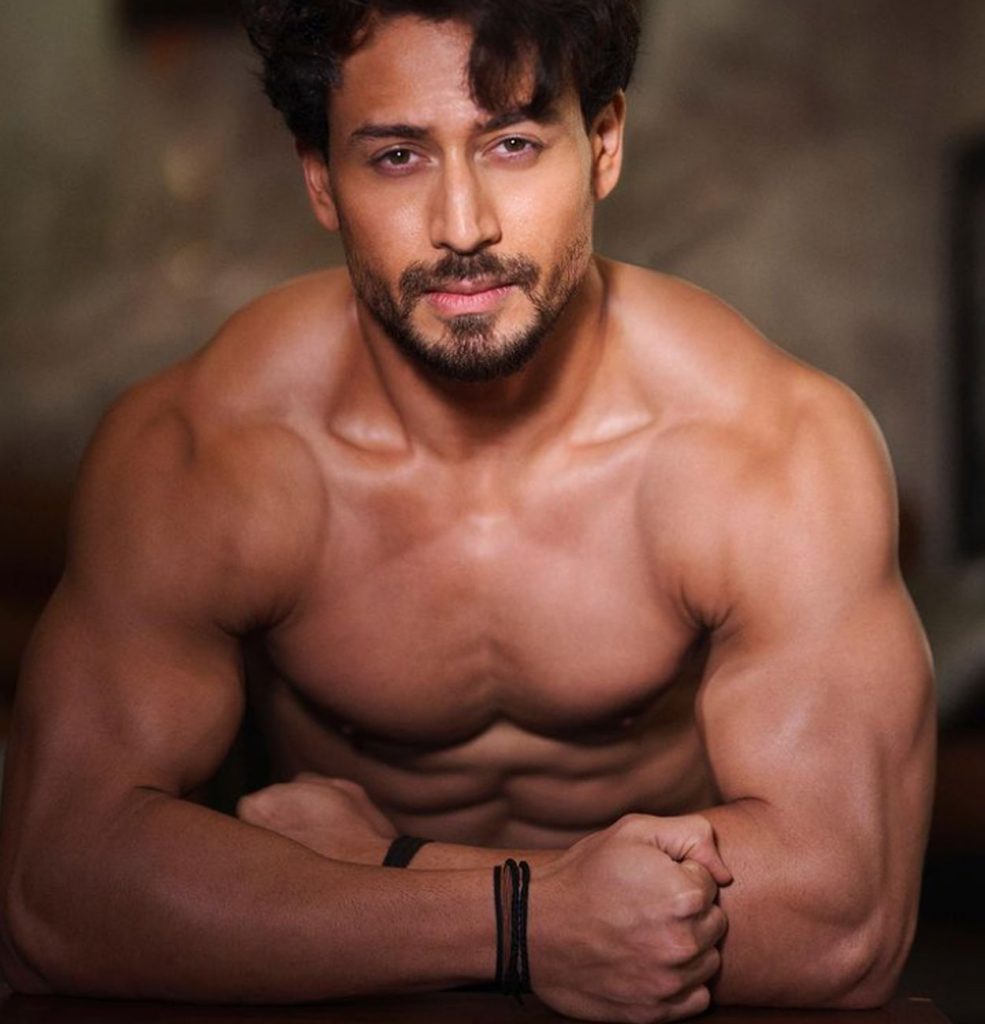
टाइगर के एक्शन सीन्स के तो लाखों फैंस हैं लेकिन डांसिंग और स्टंस्ट से पहले उन्होंने ताइकांडो में महारत हासिल की थी। वो इसमें ब्लैक बेल्ट रह चुके हैं।
टाइगर श्रॉफ सिर्फ फिटनेस ही नहीं बल्कि महंगी गाडियों के भी शौकीन हैं। मीडिया रिपोर्ट्स के मुताबिक टाइगर के पास एक करोड़ रुपए की कीमत वाली बीएमडब्लू M5 बेंटले कॉन्टिनेंटल जीटी, टोयोटा इनोवा, मर्सिडीज बेंच ई 220 डी, एसएस जगुआर 10, रेंज रोवर और विंटेज कारों का शानदार कलेक्शन है।
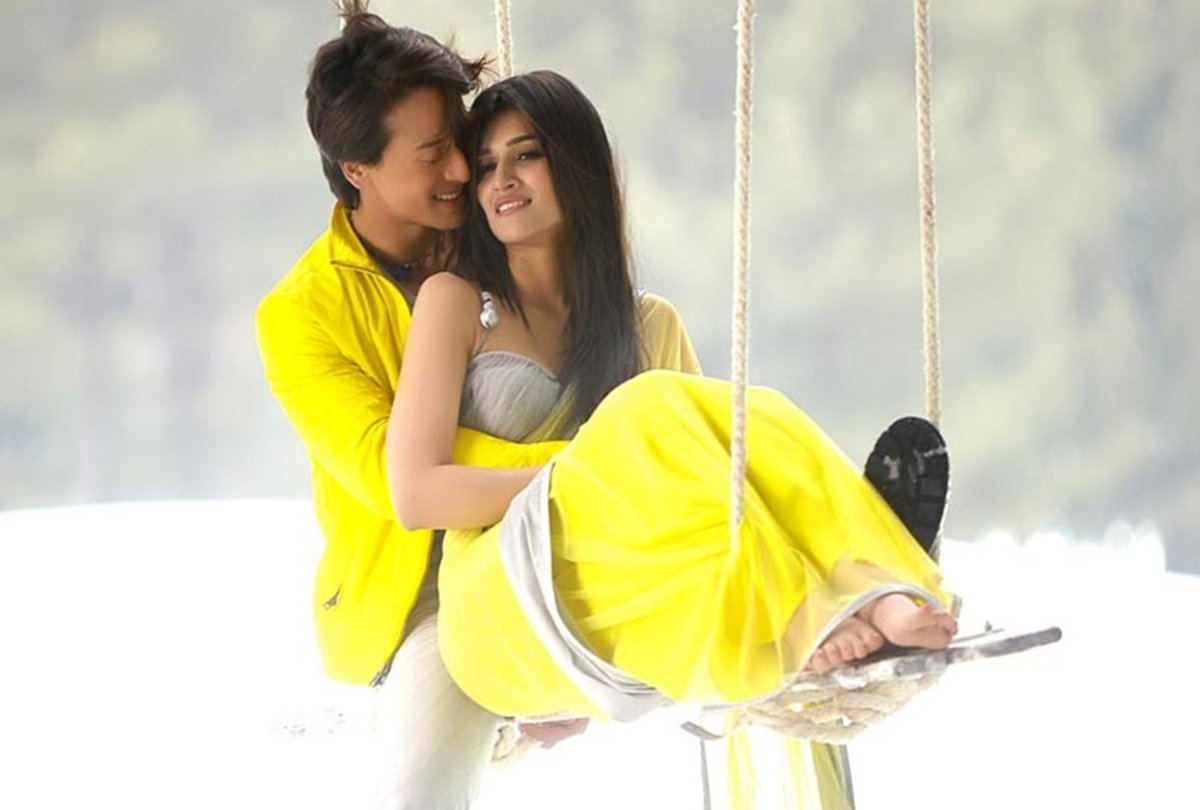
अब तक 9 फिल्मों में नजर आ चुके टाइगर ने साजिद नाडियाडवाला की फिल्म ‘हीरोपंती’ से बॉलीवुड में डेब्यू किया था। इस फिल्म में कृति सेनन उनके अपोजिट थीं। इसके बाद उन्होंने ‘बागी’, ‘ए फ्लाइंग जट्ट’, ‘मुन्ना माइकल’ और ‘वॉर’ जैसी कई फिल्मों में लीड रोल प्ले किया है।
टाइगर के फिल्मी करियर में ‘अहमद खान’ की निर्देशित फिल्म ‘बागी 2’ टर्निंग पॉइंट के रूप में साबित हुई। दिशा पटानी भी इस फिल्म में मुख्य भुमिका में थीं। यह फिल्म बॉक्स ऑफिस पर उस साल की सबसे ज्यादा कमाई करने वाली फिल्मों में से एक है।
The post B’day Special: 12वीं पास टाइगर श्रॉफ है करोड़ों की संपत्ति के मालिक, जानें उनकी कुछ खास बातें appeared first on Biyani Times.
]]>The post Birthday of Babita Kumari Phogat appeared first on Biyani Times.
]]>Babita Kumari Phogat born 20 November 1989 is an Indian female wrestler, who won the gold medal in 2014 Commonwealth Games. She also won silver medals at 2018 Commonwealth Games and 2010 Commonwealth Games and a bronze medal at the 2012 World Wrestling Championships. Babita Phogat entered politics by joining the Bharatiya Janata Party in 2019.
Personal life and family
Babita is the younger sister of Geeta Phogat, who won India’s first gold medal in women’s wrestling at the Commonwealth Games. Babita is the daughter of wrestler and Dronacharya Award recipient Mahavir Singh Phogat. She has a cousin Vinesh Phogat who also won gold, in the 48 kg category, at the Commonwealth Games in Glasgow.
Babita, along with her sister and cousin, have contributed to a change in mindset and attitude towards girls and women in home-state Haryana and rest of the nation.
Her youngest sister, Ritu Phogat, too is an international level wrestler and has won a gold medal at the 2016 Commonwealth Wrestling Championship. Her younger sister, Sangita Phogat is also a wrestler.
In June 2019, she announced her engagement to fellow wrestler Vivek Suhag, whom she later married in November of the same of year.
Babita Phogat joined the BJP on Monday 12 August 2019 but lost her first election. She and her husband welcomed their first child, a baby boy, on January 11, 2021.
Career
2009 Commonwealth Wrestling Championship
In the tournament in Jalandhar, Punjab, Babita won the gold medal in the women’s freestyle 51 kg category.
2010 Commonwealth Games
At the 2010 Commonwealth Games, Babita won the silver medal in the women’s freestyle 51 kg category after being defeated by Ifeoma Christi Nwoye of Nigeria in the gold medal match with the score of 0–2, 4–5.
2011 Commonwealth Wrestling Championship
In the tournament held in Melbourne, Australia, Babita won the gold medal in the women’s freestyle 48 kg category.
2012 World Wrestling Championships
In the Round of 16 of the 2012 World Wrestling Championships, Babita faced Hsin-Ju Chiu of Taipei whom she beat 5:0. Her quarter-finals opponent was Risako Kawai of Japan whom she beat 5:0 to qualify for the semi-finals. She lost 1:3 to Jessica Anne Marie MacDonald of Canada in the semi-finals. She was then able to contest for the bronze medal which she won in the women’s freestyle 51 kg category by beating Zamira Rakhmanova of Russia 5:0.
2013 Asian Wrestling Championships
At the 2013 Asian Wrestling Championships tournament in New Delhi, India, Babita won the bronze medal in the women’s freestyle 55 kg category along with Han Kum-ok of North Korea.
2014 Commonwealth Games
In the women’s freestyle 55 kg category at the 2014 Commonwealth Games, Babita’s first opponent in the quarter-finals was Kathryn Marsh of Scotland whom she beat 9–2, 4–0 (classification points 4:1). Her opponent in the semi-finals was Louisa Porogovska of England whom she beat 2–0 (classification points 5:0) – victory by fall (wrestling terminology). In the gold medal bout, she was up against Brittanee Laverdure of Canada whom she beat 5–0, 4–2 (classification points 3:1) to win the gold medal.
2014 Asian Games
Babita was not able to repeat her Commonwealth Games feat at the 2014 Asian Games in Incheon, South Korea. In the Round of 16 of the women’s freestyle 55 kg category, she faced Srey Mao Dorn of Mongolia whom she beat 5:0. In the quarter-finals, she faced Aiym Abdildina of Kazakhstan whom she beat 3:1. She lost 0:4 to Olympic champion Saori Yoshida of Japan in the semi-finals. She was able to contest for the bronze medal but lost 1:3 to her opponent Xuechun Zhong of China.
2015 Asian Wrestling Championships
Babita defeated Abdy Kadyrova Elsa of Kyrgyzstan 10–0 in the quarterfinal of the 2015 Asian Wrestling Championships, after getting the better of Zukhra Mustanova of Uzbekistan by the same margin in the qualification round. Babita failed to enter the final as she lost her semifinal bout to Pak Yong-Mi of North Korea, losing in the last five seconds.
With a chance for a podium finish, Babita lost to Zhuldyz Eshimova-Turtbayeva of Kazakhstan 3–6 in the bronze medal play-off.
2016 Rio Olympics
Babita became the third and final entry from India in the women’s wrestling for the 2016 Summer Olympics in Rio de Janeiro. She represented India along with her cousin Vinesh Phogat. She qualified for the Rio Games after her opponent failed a doping test in the qualifying tournament and the quota was given to India.
Babita lost in the first round 1–5.
2018 Gold Coast Commonwealth Games
Babita Kumari Phogat won the silver medal in women’s 53 kg freestyle wrestling at 2018 Commonwealth Games in Gold Coast.
The post Birthday of Babita Kumari Phogat appeared first on Biyani Times.
]]>